Potassium sorbate (E202 / INS 202) is one of the most widely used and internationally recognized safe food preservatives. Its core functions are to inhibit molds, yeasts, and certain bacteria, effectively extend food shelf life, and comply with global food safety standards including ISO, FAO/WHO, and GB 2760. When used properly, it poses no health risks and supports stable food quality for both domestic and international markets.
1. Product Characteristics & Mechanism
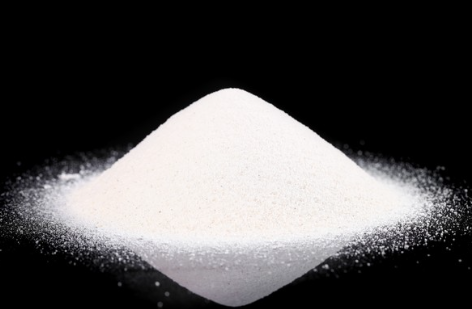
Potassium sorbate is a white crystalline powder, nearly odorless, highly soluble in water, and stable under normal processing conditions. It works by converting into sorbic acid in acidic food environments (typically pH ≤ 6.5), penetrating microbial cell membranes, and inhibiting enzyme systems related to energy metabolism. This suppresses the growth and reproduction of spoilage microorganisms without destroying food nutrients or natural flavors.
2. International Standards & Certifications
Potassium sorbate follows strict global food safety regulations, ensuring its safe application in food manufacturing:
-
FAO/WHO JECFA: Sets an ADI (Acceptable Daily Intake) of 0–25 mg/kg body weight, indicating high safety.
-
EU Regulation (EC) No 1333/2008: Lists potassium sorbate as E202, with clear maximum usage limits across food categories.
-
US FDA: Classifies it as GRAS (Generally Recognized as Safe).
-
ISO 9001 & HACCP: High-grade industrial and food-grade potassium sorbate requires ISO quality management and HACCP certification.
-
SGS Testing: Commercial food-grade products usually have SGS reports verifying purity ≥ 99.0% and compliance with heavy metal and microbial limits.
3. Main Applications & Typical Usage Levels
Potassium sorbate is widely used in beverages, dairy, bakery, meat, sauces, pickles, and ready-to-eat foods.
|
Food Category
|
Typical Max Usage (g/kg as sorbic acid)
|
|
Fruit & carbonated drinks
|
≤ 0.2
|
|
Cheese & yogurt
|
0.05 – 0.1
|
|
Bread & cakes
|
0.05 – 0.1
|
|
Sausages & meat products
|
0.075 – 1.5
|
|
Sauces, vinegar & soy sauce
|
≤ 1.0
|
|
Pickles & candied fruits
|
0.1 – 0.5
|
4. Safety & Metabolic Properties
Potassium sorbate is fully metabolized in the human body into carbon dioxide and water, with no accumulation or residue. Toxicological studies show its oral LD₅0 in rats is approximately 10.5 g/kg, higher than that of salt. Multiple assessments by EFSA and JECFA confirm it is non-carcinogenic, non-teratogenic, and non-mutagenic under legal usage.
5. Global Market Trend
According to industry reports, the global potassium sorbate market reached $254 million in 2025 and is projected to grow to $274 million in 2026, with a CAGR of 7.84% from 2026 to 2035. Demand is driven by prepared foods, beverages, and expanded applications in cosmetics and animal feed.
FAQ
1. Is potassium sorbate safer than sodium benzoate?
Yes. Potassium sorbate has a higher ADI value, wider effective pH range, and milder metabolic pathway, making it preferred in high-end and export food products.
2. Does potassium sorbate affect food taste?
Under legal dosage, it is nearly odorless and tasteless, so it does not alter the original flavor or texture of food.
3. What certifications are required for export?
Commonly required documents include ISO 9001, HACCP, SGS test reports, EU E202 compliance certificates, and US GRAS statements.
4. Can potassium sorbate be used in neutral or alkaline foods?
Its preservative effect weakens significantly above pH 6.5. It is mainly recommended for acidic and low-moisture foods.
5. Can natural preservatives replace potassium sorbate completely?
Although some natural alternatives exist, they are often less stable, less effective, and more expensive. Potassium sorbate remains the most cost-efficient choice for industrial food production.
If you want to know more about Potassium sorbate, please contact us at GNF. We will be more than happy to serve you.