Propylene Glycol (PG, 1,2-Propanediol, C₃H₈O₂) is a colorless, odorless, low-toxicity, highly hygroscopic diol widely used in food, cosmetics, pharmaceuticals, resins, and antifreeze. It functions as a humectant, solvent, carrier, antifreeze agent, and chemical intermediate, and is certified safe by major global authorities including FDA, EFSA, and GB food standards. With excellent solubility, stability, and biocompatibility, it is one of the most widely applied raw materials in the global chemical industry.
Physical & Chemical Characteristics
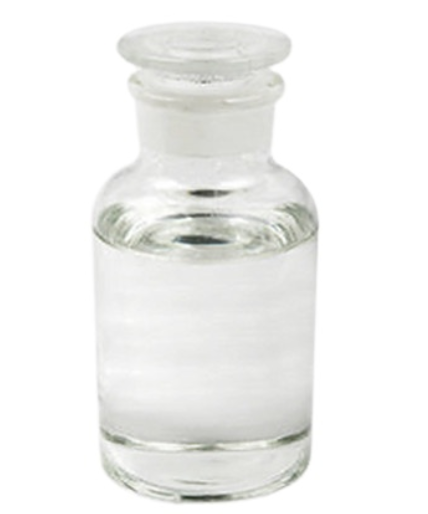
Food-grade and pharmaceutical-grade Propylene Glycol appears as a transparent, viscous, nearly odorless liquid at room temperature. It is fully miscible with water, ethanol, acetone, and most aromatic flavors and essential oils. Its strong moisture absorption helps maintain product softness and freshness, while its low freezing point (≈-59°C) delivers excellent antifreeze performance.
Key physical indicators of high-purity PG are strictly controlled in accordance with ISO 9001 quality management systems and international industry specifications. Regular third-party tests by SGS verify parameters such as color, acidity, moisture, distillation range, and heavy metal content to ensure stable and consistent quality.
Typical Technical Specifications (Food/Pharma Grade)
|
Item
|
Standard Value
|
|
Appearance
|
Colorless transparent liquid
|
|
Assay
|
≥99.8%
|
|
Color (Pt-Co)
|
≤10
|
|
Moisture
|
≤0.1%
|
|
Acidity
|
≤0.01%
|
|
Heavy Metals (Pb)
|
≤1mg/kg
|
|
Refractive Index (20℃)
|
1.431–1.433
|
Main Applications
Food Industry
As a recognized food additive (E1520), PG is widely used in baked goods, confectionery, frozen foods, spices, and flavor emulsions. It preserves moisture in bread and pastries, stabilizes flavors, prevents crystallization in syrups, and inhibits ice crystal growth in frozen foods. Its use complies with FDA 21 CFR and GB 2760 food safety standards.
Cosmetics & Personal Care
Propylene Glycol is a mild humectant and solvent commonly used in lotions, creams, masks, toothpaste, and perfumes. It provides lightweight moisturization without greasiness and assists active ingredients in skin penetration. Most international cosmetic brands use PG in formulations that meet EU Cosmetic Regulation (EC) 1223/2009.
Pharmaceutical Industry
Pharmaceutical-grade PG is an important excipient listed in USP, EP, and CP pharmacopoeias. It acts as a solubilizer for injections, a penetration enhancer for topical gels and ointments, and a plasticizer for soft capsules and tablet coatings. Its low toxicity and good biocompatibility make it suitable for internal and external drug formulations.
Industrial Uses
Industrial-grade PG is a key raw material for unsaturated polyester resins (UPR) used in fiberglass composites, coatings, and adhesives. It is also used in environmentally friendly antifreeze, heat transfer fluids, and hydraulic fluids. Compared with ethylene glycol, it has lower toxicity and higher environmental safety.
Safety & Regulatory Status
According to evaluations by theWorld Health Organization (WHO) and the European Food Safety Authority (EFSA), Propylene Glycol is metabolized in the human body into pyruvic acid and lactic acid, natural metabolites in carbohydrate metabolism. Under normal usage limits, it presents no carcinogenic, mutagenic, or chronic toxic risks.
High-quality PG products are supported by complete certification documents, including ISO certificates, SGS test reports, COA, MSDS, and food-grade qualification certificates, meeting global export requirements.
Market & Supply Trend
Driven by the food, beverage, cosmetics, pharmaceutical, and new material industries, global demand for Propylene Glycol continues to grow steadily. High-purity food-grade and pharmaceutical-grade PG has become the mainstream market demand. Professional chemical suppliers offer stable supply, flexible packaging and customized logistics solutions to support international trade customers.
FAQ
1. Is Propylene Glycol safe for food contact?
Yes. Food-grade PG complies with FDA, EFSA, and GB food standards. It is widely used in food processing as a humectant, solvent, and flavor carrier within regulated limits.
2. What is the difference between food-grade and industrial-grade PG?
Food-grade PG has extremely strict limits on impurities, heavy metals, odor, and microorganisms, suitable for food, cosmetics, and pharmaceuticals. Industrial-grade is designed for chemical synthesis and antifreeze and cannot be used in food or personal care.
3. Is PG harmful to the skin?
In normal cosmetic concentrations (usually 1%–5%), PG is safe for most skin types. Only a small number of sensitive people may experience mild irritation at very high concentrations.
4. What certifications do high-quality PG products have?
Formal products usually include ISO 9001, SGS test reports, COA, MSDS, and compliance documents for FDA, EP, USP, or GB standards.
5. How to store and transport Propylene Glycol?
Store in a cool, dry, ventilated area, sealed to avoid moisture absorption. Keep away from fire, heat, and strong oxidants. It is classified as non-dangerous goods for sea and land transportation.
If you need Propylene Glycol (PG), we at
GNF can provide high-quality products tailored to your requirements.